
SEO
Local SEO for Multi-Location Businesses: A Scalable Strategy
Managing SEO across multiple branch locations requires structure. Here is how to scale local rankings without duplicating content or cluttering search data.
17 August 2026 · 6 min read · ENO-AD
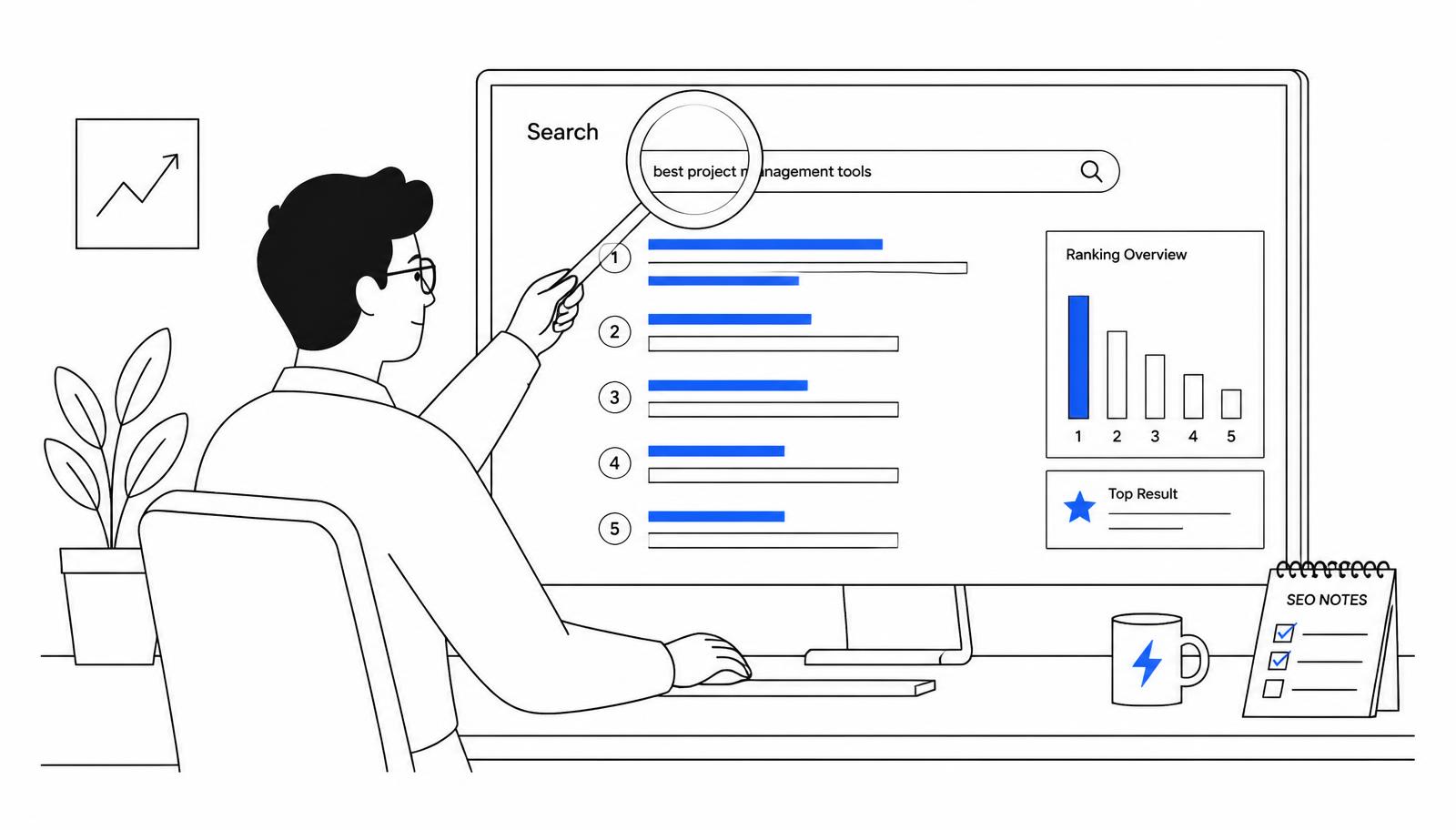
Managing search visibility for a single physical store is straightforward. Managing it for ten, fifty, or two hundred locations across different cities or countries introduces immediate operational complexity. Without a coherent framework, multi-location businesses quickly suffer from keyword cannibalisation, duplicate content penalties, inconsistent NAP (Name, Address, Phone) data, and unmanaged customer reviews.
To capture high-intent local search traffic across every market you serve, you must balance central control with local relevance. This guide outlines how to build a scalable local SEO architecture that drives foot traffic and inquiries to all your locations.
1. Structure Your Website Architecture for Scale
Your site structure is the foundation of multi-location SEO. Search engines must clearly understand the geographical hierarchy of your business, while users need to find their nearest branch in as few clicks as possible.
Use Dedicated Location Pages
Never rely on a single finder page with an interactive map to cover all your branches. Every physical location needs its own dedicated indexable URL. A proven URL structure follows a clean hierarchy:
example.com/locations/london-sohoexample.com/locations/manchester-centralexample.com/de/standorte/zurich-hb(for multi-lingual or cross-border setups)
Avoid using parameters (such as example.com/store?id=402) as these are harder to optimise, track, and share.
Implement Local Business Schema Markup
Structured data tells search engine crawlers precisely what each page represents. On every location page, implement LocalBusiness schema (or a more specific sub-type such as MedicalClinic, FinancialService, or Restaurant).
Ensure your schema includes:
- Exact business name and branch identifier
- Physical address (
PostalAddressobject) - Exact geographic coordinates (
geolatitude and longitude) - Local telephone number (not a generic central hotline)
- Opening hours, including holiday exceptions
- Link to the specific location's Google Business Profile
2. Standardise and Scale Google Business Profile Management
Google Business Profile (GBP) is often the first interaction a prospect has with your brand. When managing dozens of locations, manual updates are inefficient and prone to error.
Request Bulk Verification
If your business operates 10 or more locations under the same name, apply for bulk verification within Google Business Profile Manager. This allows you to manage profiles under a single corporate account, delegate permissions to local store managers, and push updates centrally.
Maintain Naming and Category Consistency
Consistency across your listings directly impacts local ranking algorithms:
- Business Name: Keep the core brand name identical across all profiles unless a specific location has a legally distinct trading name. Avoid stuffing store names with local keywords (e.g., use "Apex Dental", not "Apex Dental Best Dentist Manchester").
- Primary Category: Use the exact same primary category for every profile that provides identical services. Secondary categories can be tailored if specific branches offer specialised services.
- Website Link: Point the GBP listing directly to that location’s specific landing page (
example.com/locations/leeds), not the main homepage.
3. Avoid the Boilerplate Content Trap
The most common error multi-location businesses make is creating identical location pages where only the city name is changed. Search engines quickly recognise thin or duplicate content, diminishing the organic reach of those pages.
Differentiate Location Page Content
To make each location page distinct and valuable, include localized details that cannot be replicated elsewhere:
- Directions and Parking: Provide practical notes on public transport links, nearby parking structures, or landmark identifiers.
- Local Staff Profiles: Introduce the branch manager or resident specialists with professional photos.
- Unique Customer Reviews: Embed reviews specific to that location using real schema-marked testimonials.
- Specific Services: Highlight services unique to that branch (e.g., specific equipment, consultation rooms, or regional offerings).
- Local Photos: Upload genuine interior and exterior photographs of the specific premises rather than generic corporate stock imagery.
4. Audit and Align Citation Data
Citation consistency—ensuring your business name, address, and local phone number match across third-party directories—remains a core local ranking factor. Aggregators and directory sites continuously scrape data, which often results in outdated addresses or old phone numbers circulating online.
Conduct a Clean-Up Audit
- Identify Primary Aggregators: Audit major platforms including Apple Maps, Bing Places, Facebook, Yell, and industry-specific directories.
- Centralise Phone Numbers: Assign a direct local phone number to each location alongside a central tracking line if required. Avoid using an 0800 or central toll-free number as the primary published number on local citations.
- Resolve Duplicate Listings: Duplicates split review volume and confuse search engine algorithms. Systematically flag and merge duplicate listings on Google Maps and major directories.
5. Build a System for Local Reviews
Review volume, recency, and response rates directly influence local pack rankings. Managing reviews centrally without local input often leads to generic, late responses that harm your brand reputation.
Establish clear Review Workflows
- Automate Requests: Integrate automated review invitations into your point-of-sale or post-appointment CRM workflows. Send requests within 24 hours of service completion.
- Empower Local Teams with Templates: Provide branch managers with approved response templates for positive feedback, but require human oversight for negative reviews.
- Respond Promptly: Aim to acknowledge all reviews within 48 business hours. Address specific details mentioned by the reviewer to demonstrate active management.
Actionable Steps for This Week
To move your multi-location SEO strategy forward immediately, execute these four tasks:
- Audit Your URL Structure: Check if every physical branch has an indexable, dedicated URL with unique metadata.
- Verify Profile Ownership: Access Google Business Profile Manager and confirm whether all locations are consolidated under a single organisational account.
- Run a Citation Audit: Select your three lowest-performing locations and search for their NAP details online to spot inaccuracies or duplicate listings.
- Review Schema Coverage: Run three location URLs through Google's Rich Results Test tool to confirm
LocalBusinessschema is properly deployed and error-free.
Work with ENO-AD
At ENO-AD, we help multi-location brands structure, optimise, and scale their local search presence across European markets. We handle everything from location page architecture and schema implementation to centralised Google Business Profile management.
Email info@eno-ad.com and we will come back to you with a clear plan.
ENO-AD
We offer this as a service.
Strategy, branding, digital marketing, SEO, web and software — built and run by one team. Tell us what you want to grow and we will come back with a clear plan.
Keep reading
Branding
Brand-first marketing: why identity drives performance
Performance marketing gets cheaper when your brand is clear. Here is how identity, design and advertising work together.
ReadSEO
SEO that still works for small businesses
Search has changed, but the fundamentals still bring customers. A practical, no-nonsense checklist for business owners.
ReadAI Marketing
AI marketing in 2026: what actually works (and what is noise)
AI is now part of every marketing stack. Here is where it genuinely creates results for businesses, and where it quietly wastes budget.
Read